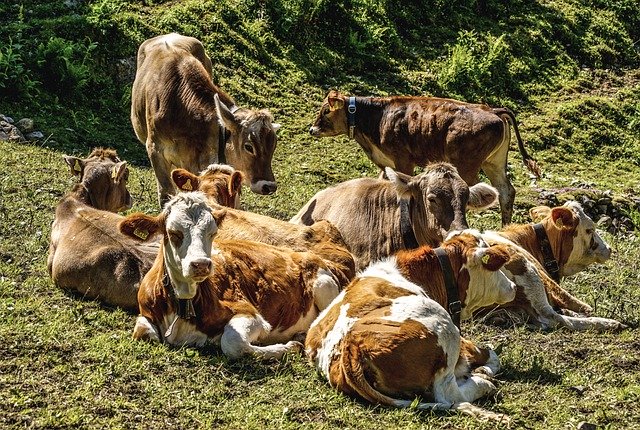
We’re still on the road across the rugged West and beautiful Midwest of the U.S.A. Some fields are corn, some are wheat, some are barley, some are hay, and some are something else. There are cows, horses, sheep, buffalo, and antelope roaming and grazing as far as the eye can see. Every field is an awesome sight. If you’re one who thinks corn, steaks, sausage, and flour magically originate at the grocery store, you’ll be at a disadvantage in this week’s quiz. Try hard anyway, and be sure to look for a local farm stand next time you need some eggs or milk.
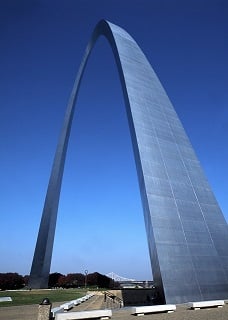 We’re literally on the road this week, traveling across this great country called America. As we travel the highways and byways, we are often curious about how geographical names came about. Ever wonder, for example, where the word ‘Appalachia’ came from? We find this on Wikipedia: “While exploring inland along the northern coast of Florida in 1528, the members of the Narváez expedition, including Álvar Núñez Cabeza de Vaca, found a Native American village near present-day Tallahassee, Florida, whose name they transcribed as Apalchen or Apalachen. The name was soon altered by the Spanish to Apalachee and used as a name for the tribe and region spreading well inland to the north." And you thought it was French for ‘toothless banjo player.’ Well, try your hand at our non-extensive list of some well-known places, and see where you end up. (Definitions according to Wikipedia.)
 On May 22, 1843, the first major wagon train to the Northwest US departed from Elm Grove, Missouri, on the Oregon Trail. In England, the Manchester Arena was bombed during an Ariana Grande concert. In 1455, in the opening battle of England’s War of the Roses, the Yorkists defeated King Henry VI’s Lancastrian forces at St. Albans, 20 miles northwest of London. On this day in 1859, Sir Arthur Conan Doyle, the creator of the fictional Sherlock Holmes, was born in Scotland.